
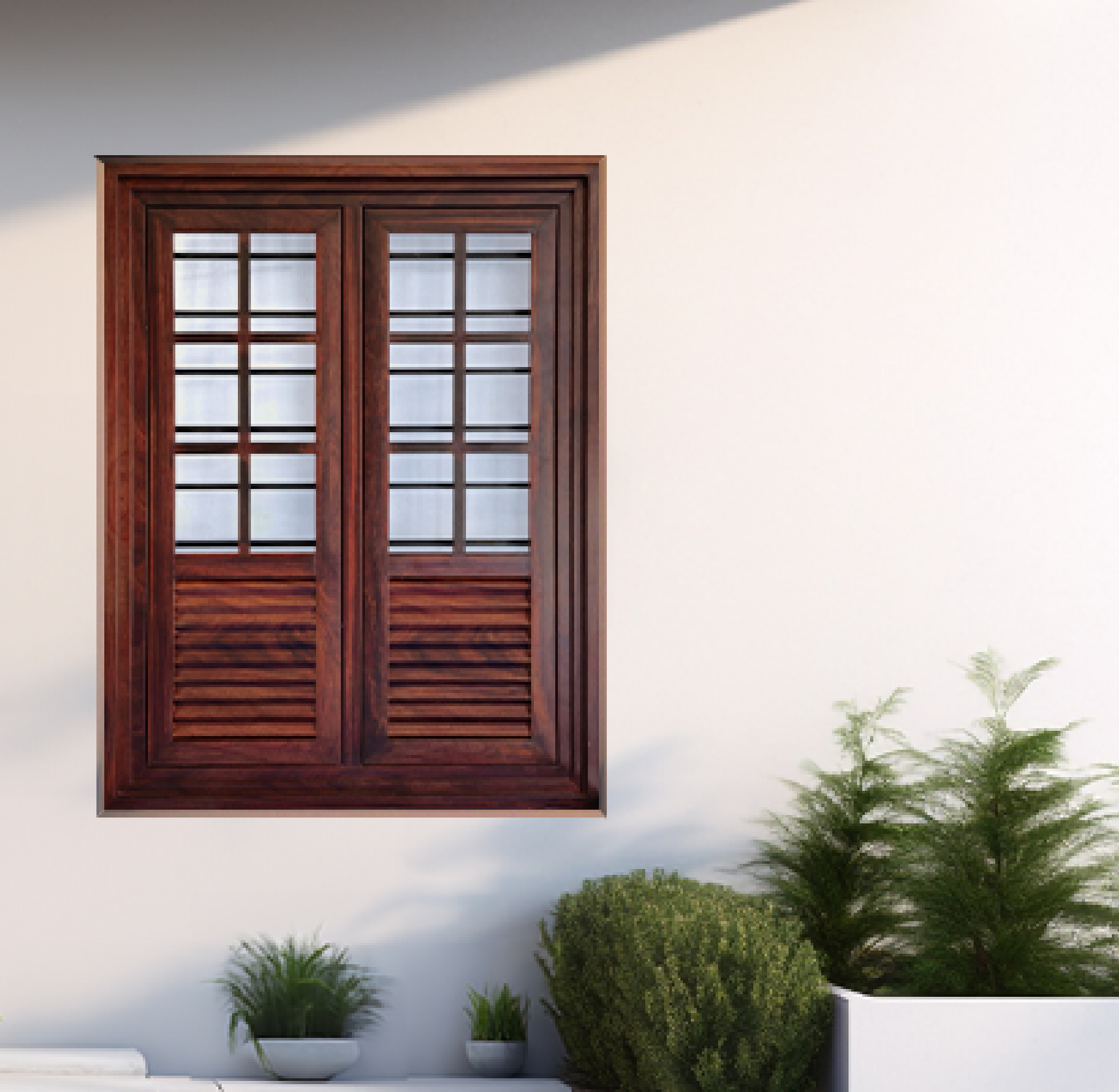
Steps for the Installation of Steel Doors
Steel doors are a good idea for your house and place of business because they are strong and secure. Instillation may seem daunting; however, this is easily possible if you have the appropriate equipment and instructions. Below, steps are given for the procedure to ensure an expert fit to be secured.
Tools Used in Installing Steel Doors
Tools to gather, prior to installing include,
Measuring tape
Level
Screwdriver-handheld or power
Hammer
Pry bar
Utility knife
Shims
Drill with the corresponding bits
Caulk and caulking gun
Safety glasses
Insulation material-installing this can increase your energy efficiency, if opted to install (optional feature)
Paint and primer-finish the steel door where required
Step-by-step on how to install Steel Doors
Measure the Opening
Check that the door opening is the correct size for your steel door. Measure the width, height, and depth of the opening. Check for squareness using a level.
Remove the Old Door:
If replacing an existing door, remove it carefully by unscrewing the hinges and lifting it off. Use a pry bar to remove the old frame, if necessary.
Preparation of Door Frame:
Clean the opening of debris or old sealant. Check the frame or the surrounding area for damage and repair it if necessary.
Place the steel door into the opening. Hold it in place using shims and level it plumb. Tamp as necessary.
Secure the Door Frame:
Drilling pilot holes to the frame and the surrounding structure. Insert the screws to hold the frame by starting from the top, working your way down. Do not overtighten as it may warp the frame.
Mounting Door Hardware:
Mount the hinges at the door and the frame. Install any type of handle, lock, etc., according to the manufacturer's instructions.
Seal Door Frame:
Apply caulk all around the outer part of the frame. It seals gaps from infiltration by water and air in this manner. In that way, it will make it an insulator and will add strength to it also.
Testing the Door
Let the door open and close multiple times so that it works with smooth action. If it won't swing, modify the hinges or shims.
Add insulation between the door frame and the outer wall to make it even more energy-efficient before attaching the trim.
Paint or Finish (If Necessary):
If your steel door is unfinished, then apply a primer and paint suitable for metal surfaces. This will prevent rusting and weathering.
How to Properly Align and Seal a Steel Door
Alignment and sealing are the most important to a steel door's performance and longevity. Here's how to get it right:
Use a Level: Check that the door is level and plumb before securing the frame. If the installation is uneven, the door will stick or swing open.
Add Shims Strategically: Place shims behind the hinges and at the latch side to maintain alignment. Avoid over-shimming, which can distort the frame.
Seal Completely: Use caulk around the perimeter of the door, sealing areas that are more prone to water entry. Weatherstripping can be used as a supplement to prevent air leaks.
Common Installation Mistakes to Avoid
The following are common mistakes that can be avoided for proper steel door installation:
Avoiding Measurements: Measuring improperly can result in an ill-fitting door. Take all measurements twice before buying and installing.
Frame Condition: A cracked or warped frame will make the door useless. The frame should be replaced or repaired if necessary.
Over-tightening Screws: This can warp the frame and misalign the door. Screws should be tightened slowly and evenly.
Not Sealing: Skipping caulking or weatherstripping can allow air leaks and water damage.
Do Not Test the Door: Test the operation of the door before finalizing the installation. Make any necessary adjustments to ensure that it opens and closes easily.
That way, you will not worry about installing a steel door that gives security, durability, and style. With proper preparation and attention to detail, the result will be perfect and long-lasting.